Briefing@eduardomiat989
Peptide Purity Overview 98%, 99% & Research-grade Discussed Prg
4 min read
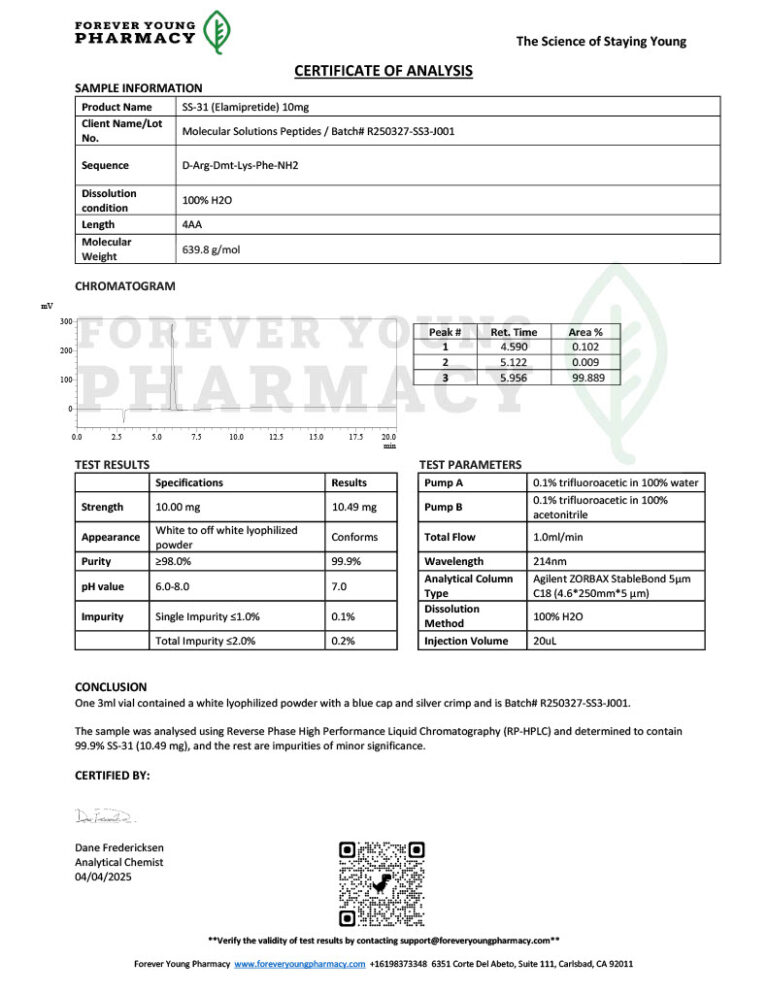
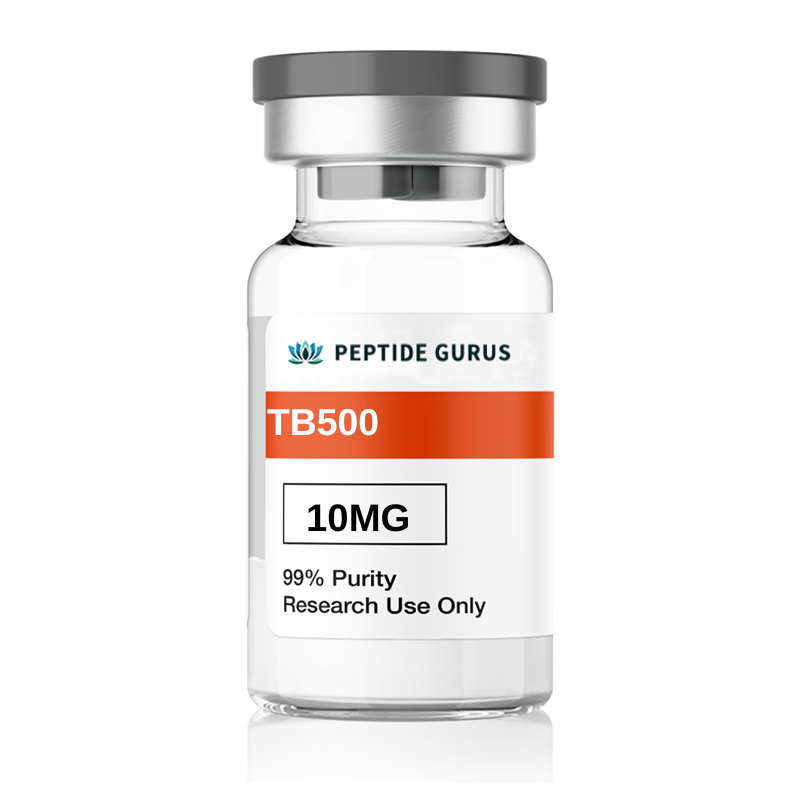
Peptide Quality: Importance Of Third-party Validation Identification verification confirms the details secretagogue being examined. Peptides like BPC-157 and TB-500 utilized for injury recovery applications need to get full confirmation. Identification confirmation is critical because substitution with different compounds would basically transform the study strategy. The screening process entails certain actions to make certain precise outcomes and proper example handling. For these high-stakes circumstances, the price of testing is minor compared to possible consequences of utilizing unverified items. For researchers following procedures from resources like the BPC-157 and TB-500 stacking overview, validated product quality guarantees the method gets a reasonable evaluation. Peptide purity testing describes logical procedures utilized to assess the composition and high quality of a peptide sample. To guarantee full objectivity, we choose random examples directly from the finished manufacturing set for independent laboratory screening. The same product customers get is the product sent for analysis. Utilizing high-performance liquid chromatography (HPLC), we verify that the energetic ingredient material is at least Learn more here 99% pure. This eliminates fillers and pollutants, guaranteeing the pureness of every dosage. Trace amounts of solvents used during synthesis and filtration-- acetonitrile, dimethylformamide (DMF), dichloromethane-- can stay in the end product. While not shills for "huge pharma", we very value the enormous investment they make right into science, quality assurance, and quality assurance to decrease these threats for pharmaceutical drug users. A solitary HPLC technique can not and will certainly not recognize and quantify every little thing that is in a combination in one pass; it simply does not work in this way. Truly, no qualitative or quantitative analytical technique (LC, MS, FTIR, NIR) can do what users view as the pureness outcome on certifications of evaluation today. Yet keep in mind, these two heights do not represent all feasible impurities, excipents, or other chemicals in the item.
Can A Peptide Fall Short Hplc Yet Pass Mass Spec, Or Vice Versa?
Where can I send my peptides to examine for pureness?
ACS Peptide Testing Labs is a professional peptide evaluation research laboratory that approves examples from all 50 states. Whether you require to test peptide pureness, verify a distributor''s Certification of Analysis, or run thorough contaminant testing, our laboratory provides quickly, exact outcomes with in-depth coverage.
Types Of Pollutants Hplc Detects
Our Certified Peptide Synthesis Lab is especially created and operated to permit the custom synthesis of peptides according to specified treatments and under prescribed lab conditions. For peptide purity screening, reverse-phase HPLC is the Amino Acid Chains conventional theoretical model. Relevant contaminations look like smaller heights at various retention times. The chromatographic purity is then determined by comparing the location under the major optimal with the complete location under all incorporated heights.- The chromatogram gives aesthetic verification of the declared pureness.
- It is for that reason vital to check for hefty metals; accordingly, Straightforward Peptide examinations for every solitary item for hefty steels.
- Our teams are composed of specialist experts in peptides.
- At minimum, identification and pureness need to be confirmed per set.
- Those confirm you have the correct molecule and that it's relatively clean from peptide-related by-products.
Hplc Purity-- The "Tidiness" Check
Maintaining a high degree of purity is critical because impurities can impact bioassays or responses. As an example, truncated peptides or chemically changed side-products may bind to targets or create side effects that confound your outcomes. Subsequent destruction from inappropriate storage space, temperature exposure, or contamination during handling can minimize quality. The peptide storage overview covers correct handling that preserves top quality in between screening and usage. RUO COAs do not include endotoxin or sterility screening, although these are periodically added by RUO suppliers. This is primarily safe as a lot of deposit (TFA, recurring wetness) is benign. However, there is dangerous non-peptide web content, which need to be evaluated for. The mobile stage, typically a mixture of water, acetonitrile, and an acid modifier, is stored in reservoirs and delivered through the system by a high-pressure pump.